
Poker Tells, Slot Myths, and the Real Math of Betting
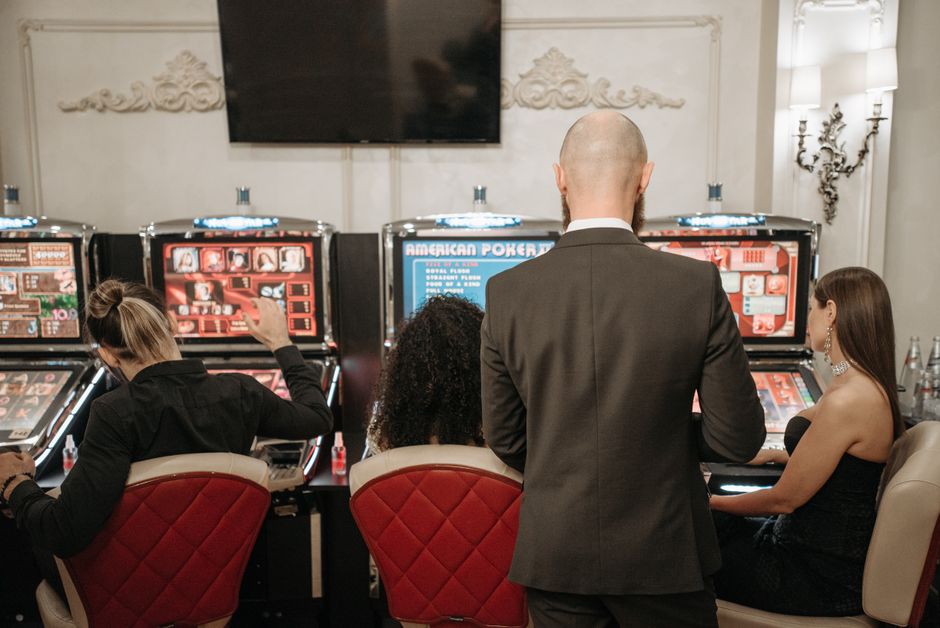
Every Saturday night, somewhere between the second beer and the river card, somebody at the table says the same thing: "I knew you had it." They didn't know. They felt it. And in iGaming, that gap between knowing and feeling is where most bankrolls quietly die. The players who stick around—the ones still grinding micro-stakes poker at 2 a.m. and hitting bonus rounds on their lunch break—are the ones who learned to tell the difference.
This isn't a sermon about discipline. You've read that one. This is a look at the actual mechanics behind the three biggest pillars of the hobby: cards, reels, and the sportsbook. What's real, what's folklore, and where the smart money quietly operates.
Poker Tells Are Real—Just Not the Ones You Watch For
Forget Rounders. The twitchy eye and the shaking hand are mostly fiction, or at least so rare among competent players that you'll lose more money chasing them than you'll ever win. The tells that actually pay are behavioral, structural, and boring as hell.
Watch how a player handles their chips when they're not in a hand. Fast, loose shuffling usually means relaxed. Dead-still stacking with precise edges usually means tension—and tense players don't bluff as often as they should. Then watch what changes the moment they're in a pot. The guy who was shuffling stops. The guy who was rigid starts chatting. That shift, not the gesture itself, is the signal.
Bet-sizing is the more reliable language. In low-stakes live games, a $15 bet into a $60 pot on the turn is almost never a value bet from a recreational player. It's a terrified blocker. Meanwhile, a $75 bet into a $60 pot from the same guy is often the nuts, because bad players overbet when they're scared of getting drawn out on.
- Sudden changes in breathing rhythm beat any facial tell
- Reaching for chips before the action is on them usually signals strength, not weakness
- Long pauses on the river from a normally fast player tend to mean genuine decision-making, not Hollywooding
- Verbal tells are the strongest: "I'll just call" almost never accompanies a monster
The uncomfortable truth is that if you're playing at stakes where people are actually thinking, most tells are noise. Position, ranges, and pot odds do the heavy lifting. Tells are the garnish.
Slots: The Myths That Refuse to Die
Slot players are the most superstitious group in all of iGaming, and it's not their fault. Random number generators are genuinely counterintuitive. The brain wants patterns. RNGs don't produce them.
Here's what the machine is actually doing. The RNG cycles through millions of outcomes per second, even when no one is playing. The moment you press spin, it grabs whatever number the generator lands on at that exact microsecond. There is no "due for a bonus." There is no "heating up." A machine that's been dead for 400 spins has exactly the same chance on spin 401 as a machine that just paid out $2,000.
What is real is RTP variance. A slot with 96% RTP and high volatility will eat $300 over an hour and then hand back $400 in ninety seconds. A low-volatility slot at the same RTP will drip-feed you $20 wins every few minutes and never give you that spike. Neither is rigged. They're just different shapes of the same math. สล็อตเว็บตรง goes into the finer points.
The one lever you actually control is bet sizing relative to your session budget. If you sit down with $100 on a slot with a 50-cent minimum and a $250 max bet, you have about 200 spins at minimum and roughly zero at maximum. The volatility doesn't care what you feel like you deserve. It cares what you can survive.
Sports Betting: Where the Sharp Money Actually Lives
The betting world splits cleanly into two populations. There are people who bet on teams, and there are people who bet on numbers. The first group pays for the second group's rent.
If you're new to the sportsbook, here are the mechanics worth internalizing before you place a single wager:
- The vig (or juice) is the price of admission. A standard -110 line means you risk $110 to win $100. That 4.5% edge for the house is why even a 52% win rate barely breaks even.
- Closing line value is the single best predictor of long-term profitability. If you consistently get better odds than the line at kickoff, you're beating the market, even on losing bets.
- Public money flows to favorites, overs, and popular teams. Sharp money flows the other way. When a line moves against the public, pay attention.
- Live betting is where recreational players lose fastest, because they're reacting emotionally to what just happened rather than pricing what comes next.
The professional edge in sports betting is small and unglamorous. It's hitting 53% instead of 50%, quarter-point line shopping across five books, and treating every bet like a stock purchase with a built-in 4.5% tax. Nobody puts that in the commercials.
Bankroll Management Is the Only Skill That Compounds
You can be bad at reading ranges, terrible at picking RNG slots, and clueless about closing lines, and still come out ahead of 90% of players if you manage your money properly. Conversely, you can be genuinely talented and blow up over a weekend because you chased a bad session.
The classic framework for poker is 20 to 30 buy-ins for cash games, 50 to 100 for tournaments. For slots, treat any session bankroll as money that's already dead—you're paying for entertainment, and the rare win is a bonus, not a plan. For sports betting, flat betting 1% to 2% of your bankroll per wager keeps variance from knocking you out before your edge has time to show.
The single best habit in iGaming is losing the ability to feel a deposit. Whether it's a $20 reload or a $500 transfer, if you have an emotional reaction to the amount disappearing, it's too much. Set it, forget it, and let the math work.
Why the House Always Wins (And Why You Still Play)
The house edge exists. It's real, it's mathematically guaranteed, and no hot streak, gut feeling, or lucky hat changes it. Slots run 2% to 8% against you depending on the machine. Table games swing from 0.5% in perfect blackjack to 5%+ on roulette wheels with double zeroes. Poker is the only game in the building where you play against other people, not the house—which is exactly why it's the one game where long-term winning is possible for a dedicated amateur.
And yet millions of us still play, because the entertainment value is real. A $50 session on a high-volatility slot is cheaper than a concert ticket and lasts about as long. A Sunday afternoon poker tournament is social, strategic, and occasionally profitable. The trick isn't pretending the edge doesn't exist. It's pricing it honestly, enjoying the parts worth enjoying, and refusing to confuse the thrill of the game with a reliable income stream.
The players who last aren't the ones chasing redemption arcs. They're the ones who showed up, learned the actual math, sized their bets like adults, and treated the whole thing as what it is: a smart, sharp, genuinely fun pastime with a known cost of entry.


Explore gentle topics, listening habits, and graceful exits that make country house conversation enjoyable for every guest around the table.
Learn how to select heritage-inspired colours that suit older homes and create calm, elegant rooms with lasting appeal.
Gentle cleaning methods and sensible storage keep silver cutlery looking its best while preserving the soft patina collectors admire.
Plan a small cutting garden with hardy British flowers that provide beautiful blooms for arrangements throughout the growing season.