
The Real Math Behind Slot Volatility (And Why It Matters)
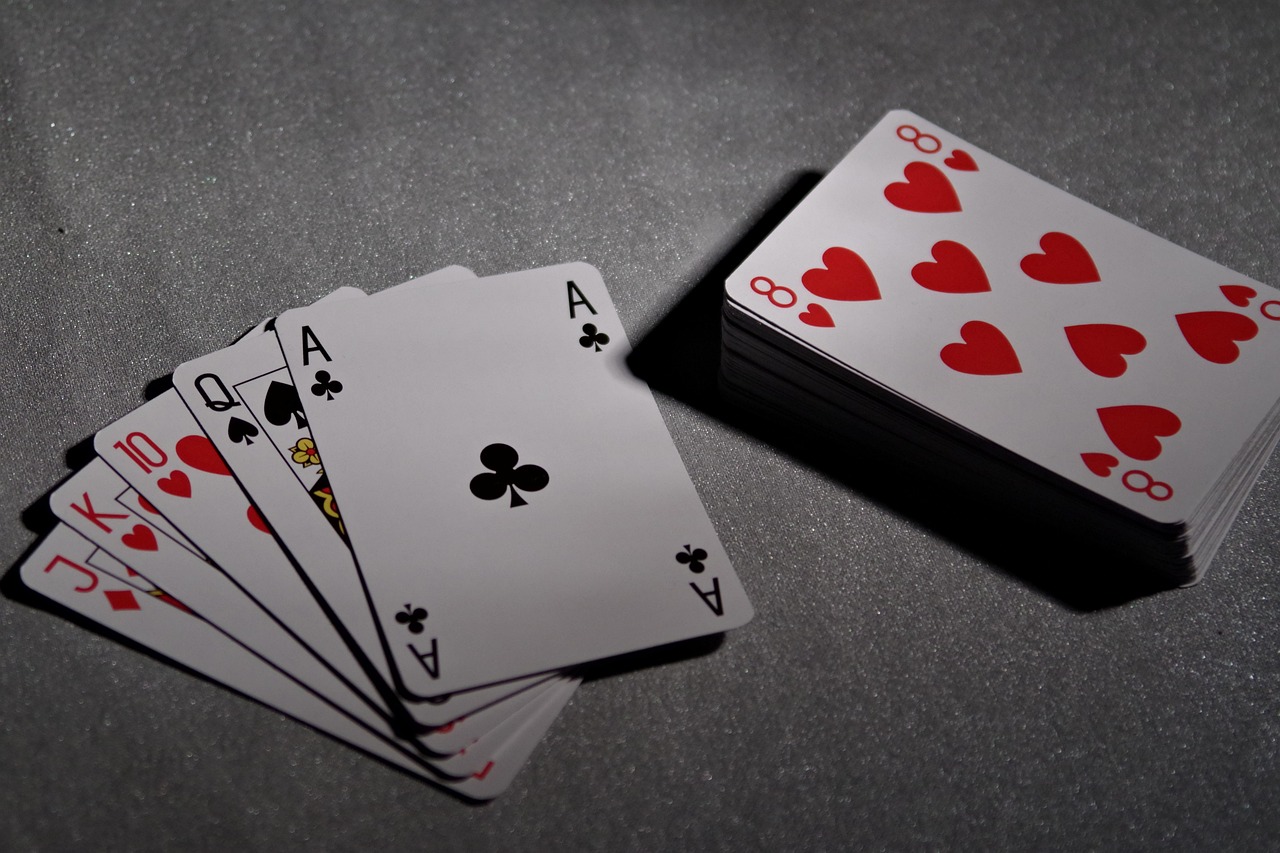
You've probably heard the phrase "high volatility" tossed around like a badge of honor. Maybe you've even chased those slots because a streamer hit a 5,000x multiplier on one. But here's the uncomfortable truth: most players don't understand what slot volatility actually means for their bankroll, and that misunderstanding costs them real money. Let's fix that.
Volatility Isn't Just "Risk"—It's a Personality Trait
Every slot game has a personality. Some are like a nervous chihuahua—barking constantly, giving you tiny wins every few spins, but rarely anything spectacular. Others are like a sleeping bear: long stretches of absolute silence, then a massive swipe that either makes your session or ends it.
Low volatility slots pay frequently but in small amounts. Think Starburst or Blood Suckers. You'll see your balance fluctuate gently, and you can often play for an hour on a modest bankroll. High volatility slots—Book of Dead, San Quentin, Money Train 3—can eat 100 spins without a single meaningful win, then drop a 2,000x bonus that changes everything.
Neither is "better." They're just different tools for different goals. The problem starts when players treat a high-volatility slot like a low-volatility one, or vice versa. See trangcacuocbongda.in.net for a side-by-side comparison.
The Numbers That Actually Matter (RTP, Hit Frequency, Max Win)
Three metrics separate a slot's true nature from its marketing hype. Ignore them at your peril.
- RTP (Return to Player): The theoretical percentage of all wagered money that returns to players over millions of spins. 96% is standard. Anything below 95% deserves scrutiny. But remember—RTP is a long-term average, not a promise for your session.
- Hit frequency: How often any win occurs. A slot with 30% hit frequency gives you a win roughly every 3.3 spins. One with 15% gives you a win every 6.7 spins. Low hit frequency usually pairs with high volatility.
- Max win: The biggest possible payout, often expressed as a multiple of your bet. A 10,000x max win sounds amazing until you realize the game's bonus round triggers once every 500 spins on average and the top prize is rarer than a royal flush.
Here's a concrete example. Slot A has 96.5% RTP, 25% hit frequency, and 1,000x max win. Slot B has 96.5% RTP, 12% hit frequency, and 50,000x max win. Same RTP—completely different experiences. Slot B will drain your balance faster and more brutally, but offers a lottery-ticket shot at a life-changing sum. Know which one you're sitting down to play.
Bankroll Management for Each Volatility Type
This is where most players go wrong. They deposit $100, open a high-volatility slot at $1 per spin, and expect to play for hours. That's not a session—that's a countdown timer.
For low-volatility slots, a reasonable rule is 200–300 spins minimum on your bankroll. A $100 bankroll at $0.50 per spin gives you 200 spins. Perfectly fine.
For medium volatility, aim for at least 150–200 spins. That same $100 means $0.50 or $0.60 bets.
For high volatility, you need 300+ spins to have a realistic shot at a bonus. So a $100 bankroll should mean $0.20–$0.30 bets, not $1. Most players bet 5x too large and wonder why they bust in 10 minutes. Don't be most players.
Here's a simple step-by-step to set yourself up:
- Decide your total session bankroll (money you're okay losing).
- Identify the slot's volatility. Check the game info screen—it's usually listed.
- Multiply your bankroll by 0.005 for high volatility, 0.01 for medium, 0.02 for low. That's your max bet size.
- Divide your bankroll by that bet size. If you get fewer than 150 spins, lower the bet.
- Set a win goal (e.g., double your bankroll) and a loss limit (e.g., 50% of bankroll). Walk away when either hits.
Poker vs. Slots: Two Different Universes of Variance
If you play both, you already know this—but it's worth stating clearly. Poker is a game of skill with variance. Slots are pure variance with zero skill. In poker, a good player can overcome short-term luck over thousands of hands. In slots, you cannot. The math is fixed against you, and no amount of "timing" or "feeling" changes it.
That doesn't mean slots are bad. It means they serve a different purpose. Poker is an investment of time and mental energy with a potential edge. Slots are entertainment, with a built-in cost. Treat them accordingly.
Smart poker players often use slots as a break—a way to decompress without thinking. That's fine, as long as you don't confuse the two. Don't try to "grind" slots. Don't chase losses in poker because you're tilted from a bad slot session. Keep them separate in your mind and in your bankroll.
The Psychological Trap of Near Misses and Bonus Buys
Modern slots are engineered to keep you spinning. Near-miss animations—where the third scatter just barely passes the payline—trigger the same dopamine response as a win. Bonus buy features let you skip the grind for a fixed price, often 100x your bet, but they don't change the RTP. Sometimes they're slightly worse.
If you wouldn't normally bet 100x your stake on a single spin, don't buy a bonus. It's that simple. The same math applies. The only difference is you're paying for instant gratification, and the house edge doesn't care about your feelings.
My advice: set a hard rule. Bonus buys only if your bankroll can absorb 10 of them without wiping out. Otherwise, spin normally or walk away.
Final Thought: Play the Slot That Fits Your Session, Not Your Ego
There's no shame in low-volatility slots. They're not "boring" or "for beginners." They're a different tool. If you want a long, relaxed session with your favorite drink, low volatility is your friend. If you're chasing a massive multiplier and don't mind a brutal grind, high volatility is the way. But never sit down at a high-volatility slot with a low-volatility bankroll and expect a fair fight.
The house already has an edge. Your job is to minimize the damage and maximize the entertainment value per dollar. Understand volatility, respect the numbers, and you'll make smarter choices—whether you're spinning reels, buying bonuses, or bluffing your way to a pot. The math doesn't lie. Your ego might. Trust the math.


Explore gentle topics, listening habits, and graceful exits that make country house conversation enjoyable for every guest around the table.
Learn how to select heritage-inspired colours that suit older homes and create calm, elegant rooms with lasting appeal.
Gentle cleaning methods and sensible storage keep silver cutlery looking its best while preserving the soft patina collectors admire.
Plan a small cutting garden with hardy British flowers that provide beautiful blooms for arrangements throughout the growing season.