
Slots, Poker & Betting: A Realist's Guide to iGaming
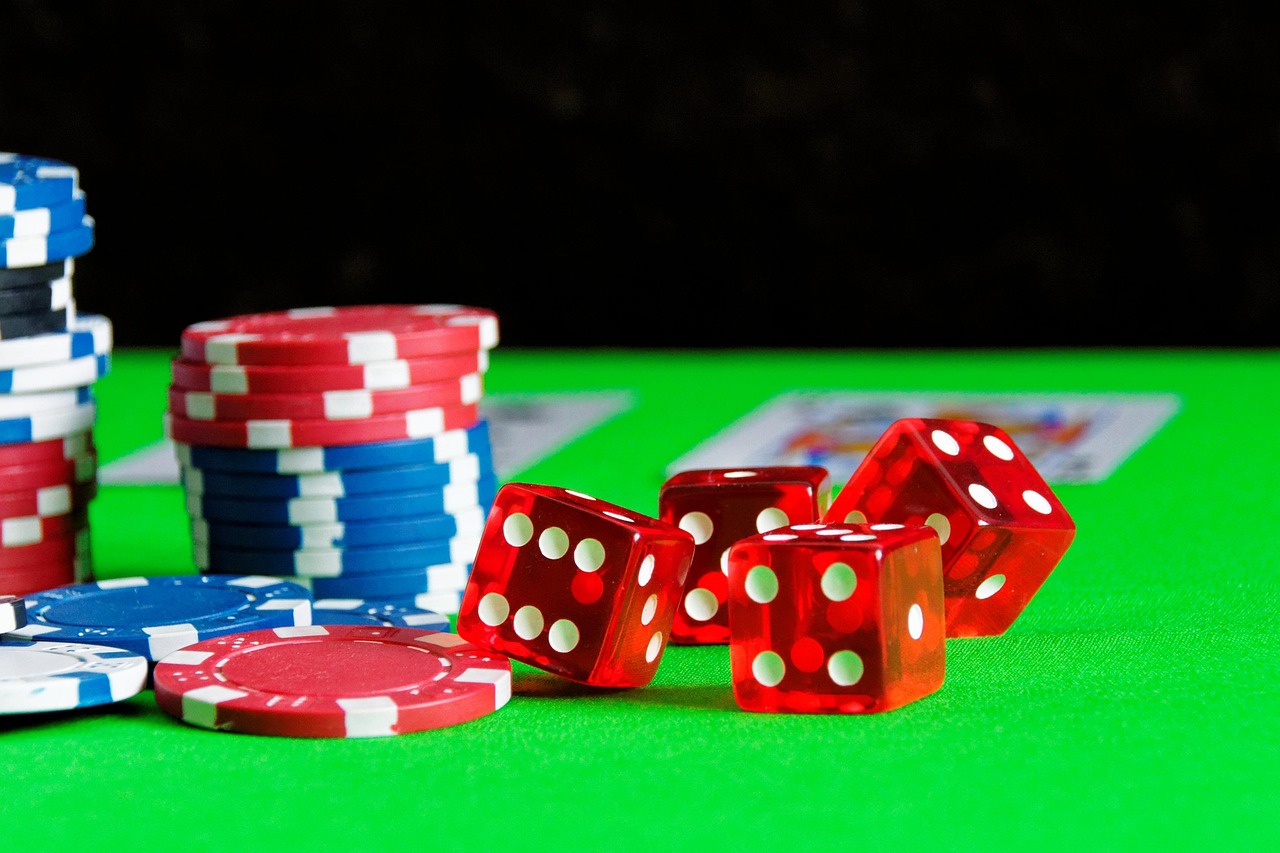
Strip away the neon banners and the obnoxious pop-up ads, and iGaming is really just a numbers game wrapped in entertainment. That sounds cynical, but it's actually the most useful thing you can internalize before you deposit a single euro, dollar, or crypto token. The players who enjoy this space the longest are not the ones chasing jackpots with rent money. They're the ones who understand what a house edge is, why volatility matters, and how to tell a decent poker room from a digital trap. So let's talk about the whole ecosystem — casino, betting, slots, and poker — with clear eyes.
The Real Math Behind Casino Games
Every casino game has a house edge. It is not a conspiracy; it is how the operator keeps the lights on. The trick is that some edges are tiny, and some are brutal. Blackjack with basic strategy sits around 0.5% under good rules. European roulette is 2.7%. American roulette — the one with the double zero — jumps to 5.26%. Same wheel, different pockets, nearly double the bleed.
Slots are the grey area. A modern video slot might have an RTP of 96%, which sounds generous until you realize that means the machine returns 96 cents per euro wagered over millions of spins. In any given session, variance runs the show. That's not pessimism; it's the design.
Here's a quick reference for typical RTP ranges:
- Blackjack (optimal play): 99.5%+
- Baccarat (banker bet): 98.94%
- European roulette: 97.3%
- Video slots (online): 94%–97%
- Keno: 70%–80%
- Scratch cards: often 60%–75%
If you care about stretching your bankroll, the pattern is obvious. Stick closer to the top of that list.
Slots: Volatility Is the Only Thing You Really Control
You cannot control a slot's outcome. You can, however, choose which slot matches your bankroll and patience. That decision hinges on volatility, sometimes called variance.
Low-volatility slots pay small amounts often. Think classic three-reel fruit machines or titles like Starburst. High-volatility slots — Book of Dead, Money Train, most Megaways games — can go 200 spins without a meaningful return, then drop a 500x bonus. The math is the same over time; the ride is completely different.
Practical rules I use:
- Match volatility to bankroll. If you have 50 euros, low volatility is your friend. With 500, high volatility becomes playable.
- Check the max win. A 96% RTP slot with a 5,000x cap and one with a 50,000x cap offer different experiences for the same average return.
- Read the paytable before spinning. Bonus buy features, expanding wilds, and scatters all change the effective hit rate.
- Set a stop-loss in absolute numbers, not feelings. "I stop at 30 euros down" beats "I stop when it feels bad."
One more thing: the autoplay button is the single fastest way to lose track of time and money. Use it sparingly, if at all.
Sports Betting: Information Beats Intuition
Betting on football, basketball, or tennis is not the same as betting on slots. There is actual information asymmetry to exploit — team news, weather, referee tendencies, travel schedules. The margin still belongs to the bookmaker, usually 4% to 8% on a two-way market, but skilled bettors can shrink that edge by shopping lines across multiple books.
What separates a sharp from a recreational punter is discipline. Sharps bet small stakes on thin edges, track every wager in a spreadsheet, and treat it like a part-time job. Casual bettors chase losses, parlay everything, and bet with their hearts. Further details are available through hb88go.in.net.
A few habits that genuinely matter:
- Line shopping: Half a point on an NFL spread can swing your long-term ROI by several percentage points.
- Closing line value: If you consistently beat the closing odds, you're likely a winning bettor long-term — even if this week's results say otherwise.
- Bankroll units: Flat betting 1%–2% of your roll per play survives cold streaks that would bankrupt a variable staker.
- No parlays as strategy: They're lottery tickets with better marketing.
Live betting adds another layer — in-play odds shift with every event — but it also punishes hesitation and emotional decisions harder than pre-match betting.
Poker: The Only Game Where You Play Against People
Poker is the exception in iGaming. The house takes a rake — usually 2.5% to 5% of the pot, capped — but your win rate depends almost entirely on your opponents. That means skill compounds and long-term winners exist. It also means the ecosystem has gotten much tougher over the past decade.
Modern online poker is solver-heavy. GTO (game theory optimal) play is table stakes at mid-stakes and above. If you're playing micro-stakes cash games or low buy-in tournaments, exploitative play against recreational opponents still prints money. But watch out for these common traps:
- Playing too many hands preflop because you're bored.
- Ignoring position — the button is worth more than any two cards.
- Treating bad beats as evidence of rigging rather than statistical noise.
- Moving up in stakes after a hot session instead of after a proven win rate over 50,000 hands.
Track your results. Use hand history software. Review your biggest losing pots weekly. A player who studies 30 minutes a day will crush a player who only grinds, even if the grinder plays twice as many hands.
Licensing, Safety, and the Boring Stuff That Matters
Before you deposit anywhere, check the licence. The UK Gambling Commission, Malta Gaming Authority, and Gibraltar Regulatory Authority are the gold-standard regulators. Curacao licences are common and legitimate but offer weaker player protections. An unlicensed operator is a coin flip on whether you ever see your withdrawal.
Look for segregated player funds, published RTPs, and clear withdrawal terms. A casino that takes 20 minutes to deposit and 5 days to pay out is not a casino; it's a cash-flow scheme with a slot game attached.
Also — honour your own limits. Deposit caps, session time reminders, and self-exclusion tools exist for a reason. The players who last in iGaming are the ones who never let it become a financial problem in the first place.
Pulling It Together
iGaming rewards patience and punishes impulse. Slots are entertainment with a built-in cost. Sports betting is a market where information and discipline create real edges. Poker is a skill game disguised as gambling. And every one of these verticals sits inside a regulatory framework that exists because enough people got hurt that governments had to step in.
Know your game, know your number, and know when to walk away. That's not a disclaimer tacked onto the end of an article — it's the actual strategy. The odds will still be there tomorrow.


Explore gentle topics, listening habits, and graceful exits that make country house conversation enjoyable for every guest around the table.
Learn how to select heritage-inspired colours that suit older homes and create calm, elegant rooms with lasting appeal.
Gentle cleaning methods and sensible storage keep silver cutlery looking its best while preserving the soft patina collectors admire.
Plan a small cutting garden with hardy British flowers that provide beautiful blooms for arrangements throughout the growing season.