
Simple Rules for Hosting a Relaxed Afternoon Tea
What Afternoon Tea Is, and What It Isn't
Afternoon tea is a small, generous meal served in the middle of the afternoon, traditionally between three and five o'clock. It is not a cream tea, which is simply scones with jam and clotted cream, and it is certainly not high tea, a working supper of cold meats and a pot of strong tea eaten at the kitchen table. Once you understand the shape of the thing, hosting becomes far simpler: a pot of properly brewed tea, a modest selection of savouries, scones, and a little something sweet, all laid out so that guests can help themselves without ceremony.
The point is pleasure, not performance. If you find yourself piping cream at midnight, you have misread the brief entirely.
Set the Table for Comfort, Not Display
A relaxed tea begins with seating that people can actually sink into. Mix dining chairs with a sofa or two armchairs, and put low tables within easy reach of every seat. Nothing is more awkward than a guest balancing a cup and a plate with nowhere to put either down.
- Lay a plain linen or cotton cloth. Patterned china and patterned linen compete; choose one to be busy and let the other rest.
- Set each place with a teacup on its saucer, a small side plate, a napkin, and a teaspoon. Butter knives go with the bread, not beside the cup.
- Put the teapot, a jug of milk, a bowl of sugar, and a second pot of hot water at one end of the table so the host can pour without leaning across anyone.
- Keep flowers low and unscented. Lilies and hyacinths will fight the bergamot and win.
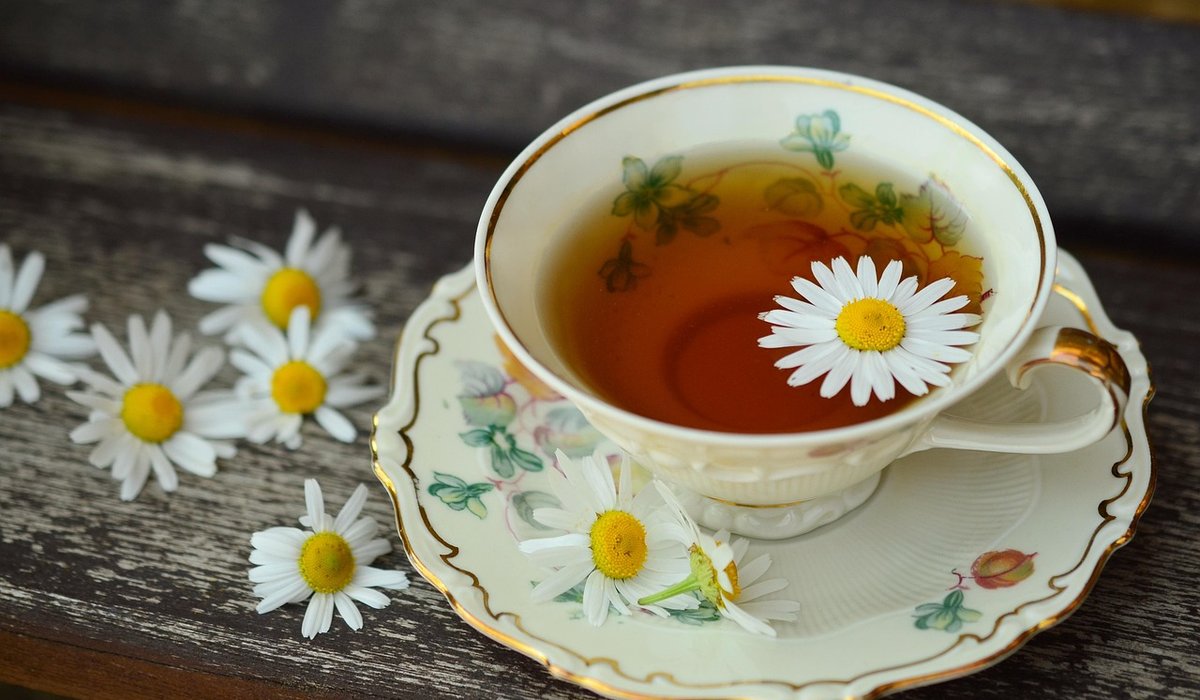
If you own proper teacups, use them. Thin china flatters tea in a way a mug never will, and the small ritual of the saucer encourages people to slow down.
Build a Menu That Balances Sweet and Savoury
Afternoon tea works on a simple ratio: roughly half savoury, a quarter scones, a quarter sweet. For six guests, that means about twenty-four small sandwiches, twelve scones, and two modest cakes or a batch of small pastries.
For sandwiches, choose three fillings and cut them into neat fingers with the crusts removed. Thinly sliced white or light brown bread works best; anything too seedy or sour will overwhelm a delicate filling. Reliable combinations include:
- Thinly sliced cucumber, salted briefly and patted dry, with unsalted butter.
- Cold roast chicken with a little tarragon mayonnaise.
- Smoked salmon with cream cheese and a whisper of lemon zest.
- Egg mayonnaise with cress, or good ham with a sharp mustard butter.
Make sandwiches no more than an hour ahead and keep them under a clean, damp tea towel in the coolest part of the kitchen. Warm scones are the heart of the meal, so bake them on the day. Serve them with clotted cream and good jam, and let guests assemble their own. On the cream-versus-jam question, offer both and say nothing. It is not your quarrel.
For the sweet course, keep it small and unfussy: a lemon drizzle cut into fingers, a few raspberry tartlets, or a simple Victoria sponge. One chocolate thing is plenty.
Brew the Tea Properly
Tea deserves the same care as the food. Use freshly drawn water and warm the pot with a little hot water before you begin. For black tea, use roughly one teaspoon of leaves per cup plus one for the pot, and pour water just off the boil. Give it three to four minutes, then remove the leaves or pour through a strainer.
- Offer one robust blend, such as an English breakfast or an Assam, and one lighter alternative, perhaps an Earl Grey or a China black.
- Keep a pot of green or herbal infusion for anyone avoiding caffeine, brewed at a lower temperature so it doesn't turn bitter.
- Milk goes into the cup before the tea when pouring from a pot, the old household habit that protects thin china and blends more evenly.
- Refresh the pot halfway through. Stewed tea is the quickest way to undo a good table.
Manners That Put People at Ease
Etiquette at afternoon tea is really just consideration with a napkin. The host pours first for guests, working round the table, and takes the last cup. Guests wait until everyone is served before lifting a cup. Hold the cup by its handle, sip rather than slurp, and stir without letting the spoon chime against the china. Place the spoon on the saucer behind the cup, never leave it standing in the cup, and rest the cup on its saucer between sips.
A napkin stays on the lap and is folded loosely, not crumpled, when you rise. If a guest arrives with a gift, open it, thank them warmly, and set it aside rather than making it the centre of attention.
A Host Who Sits Down
The best hosts are the ones who are not in the kitchen. Do the work in the right order and you can join your own party. Set the table the night before. Make the sandwiches an hour ahead. Bake scones in the morning and reheat them briefly, wrapped in foil, before serving. Brew the first pot as guests arrive, not before.
Clear plates quietly in twos and threes rather than sweeping the table at once, and leave the washing up until they have gone. Afternoon tea lasts about two hours and needs nothing more than a warm room, a full pot, and a host who is genuinely pleased to see everybody. That, rather than any perfect pastry, is what guests remember.


Create loose, garden-inspired arrangements using seasonal blooms, simple vessels, and a few guiding principles from traditional British floristry.
Revive tired wooden pieces using gentle cleaning, sympathetic repairs, and traditional finishes that respect the furniture's age and character.
Understand how small courtesies, thoughtful introductions, and considerate hosting create a warm welcome for guests in modern British homes.
Start a meaningful porcelain collection by focusing on patterns, condition, and makers that offer beauty without requiring a large budget.